



Conference season is upon us-- Going to a tech conference is easy. Getting real value out of one takes considerably more preparation. This is the strategy I use for myself, clients and former bosses/panelists/partners.
The biggest mistake I see people make is treating a conference as a three-day event. They book a flight, look through the agenda the week before, message a few people they know and assume the important conversations will happen naturally once they arrive.
Sometimes they do. But many of the highest-value opportunities start months earlier.
This matters even more in tech and AI, where a major conference can temporarily bring an entire ecosystem into one city. Used well, those few days can help you build visibility, develop partnerships, understand what is happening in your industry, create months of content and establish relationships that would otherwise take considerably longer to build. Here are five ways I prepare-
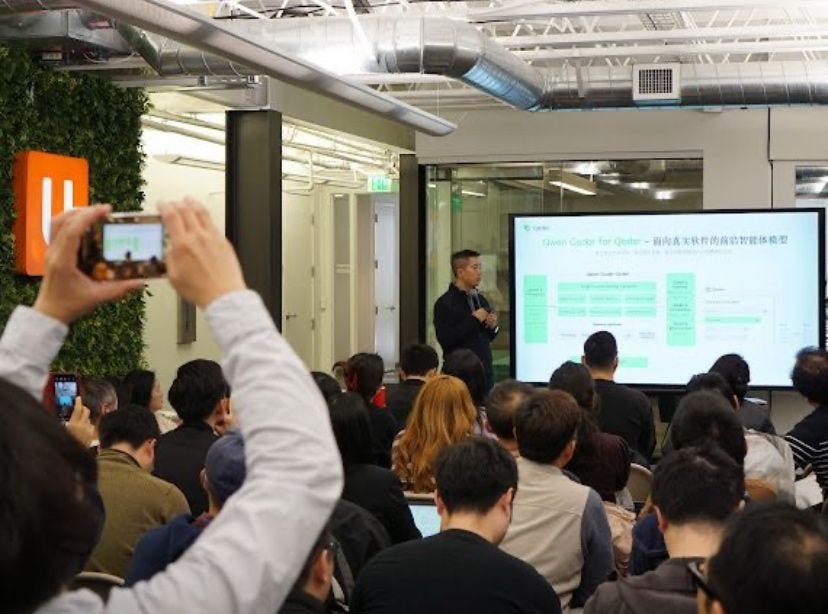
1. Apply for Speaking Opportunities Early
If there is a major conference you know you want to attend, start looking at it several months, and sometimes a year, before the actual event.
Look specifically for opportunities to speak, moderate a panel, lead a workshop, participate in a roundtable or host a session. Speaking gives you a fundamentally different position at a conference.
Instead of introducing yourself individually to hundreds of people, you have an opportunity to communicate what you know, what you care about and what you are working on to an entire room at once. It also gives people a reason to approach you afterward.
That creates visibility, but more importantly, it creates context.
Someone who hears you speak already knows something about your expertise before the conversation begins. That can make it much easier to build relationships, attract potential partners or establish yourself within a particular ecosystem.
But the key is applying early. Major conferences often begin planning programming long before attendees start thinking about travel.
I keep a running list of events I may want to attend over the next year and check when their speaker applications typically open. If there is no public application, I look at who manages programming and what types of sessions the conference has hosted previously.
Your pitch should also be specific.
Do not simply tell organizers that you are available to speak. Think about what you can contribute to their audience. What are you seeing that is interesting? What question could you answer? What experience, research or perspective do you have that creates a conversation people would actually want to attend?
The goal is not to get on a stage for the sake of being on a stage. It is to use the opportunity to become associated with something you genuinely understand and want to be known for.

2. Find the Satellite Events Around the Main Conference
The official conference is only one layer of what is happening.
Around major tech and AI events, there are usually dozens—and sometimes hundreds of satellite events: founder dinners, developer meetups, investor gatherings, research discussions, product launches, workshops, community events, happy hours and private roundtables. Some of the best conversations happen there.
Before traveling, I look through LinkedIn, X, Luma, newsletters, community groups and the accounts of companies or people I follow to see what else is happening during the week.
Then I map those events against what I actually want to accomplish. A 50-person AI infrastructure dinner may be considerably more useful than another 5,000-person keynote if the people you want to meet are in that room. These smaller events can also create additional opportunities to speak or participate. The main conference may have finalized its program six months ago, while a company organizing a side event three weeks before the conference may still need a moderator, workshop leader, partner or panelist.
If there is nothing that fits what you are trying to accomplish, there is another option: create something yourself. It does not have to be elaborate.
A breakfast for eight people working on the same problem can be more valuable than a large branded reception. So can a small dinner, salon, technical workshop or informal gathering. Think less about how many events you can fit into the week and more about which rooms put you around the people and ideas that matter to what you are building.

3. Prepare How You Introduce Yourself
You are going to answer some version of “What do you do?” constantly.
It is worth knowing your answer before you arrive. And not just knowing, but using it to create a memorable moment and genuine connection.
Most people respond with their job title. That tells someone where you work, but often very little about who you are or why they should remember you.
A better introduction gives someone a small narrative-some useful people to study are Vinh Giang and Forbes Riley, a plethora of others. Lead with your mission, what you are currently working on, and the impact you are trying to create. Forbes Riley talks about this distinction particularly well: rather than leading with a title, communicate your story in a way that gives another person something to connect with.
There is a big difference between: “I work in AI consulting.” and: “I help people and companies learn how they can actually use emerging AI tools, particularly across different markets and ecosystems.” The second answer creates possible conversation threads. Someone can ask about the tools, the companies, the markets, the technology or what you have learned. It also communicates a direction.
You should not memorize a 60-second speech and deliver it word-for-word to every person you meet. That usually feels unnatural. Instead, know your core story well enough that you can adapt it. The version you use with a founder may be different from the one you use with an investor, journalist, researcher or potential partner. The underlying narrative remains consistent, but you emphasize what is most relevant to the person standing in front of you.
The same principle applies to your online presence. Before an event, look at your LinkedIn, website, bio and other public profiles. If someone meets you for five minutes and looks you up later that evening, does what they find reinforce the story you just told them? Ideally, the answer is yes.
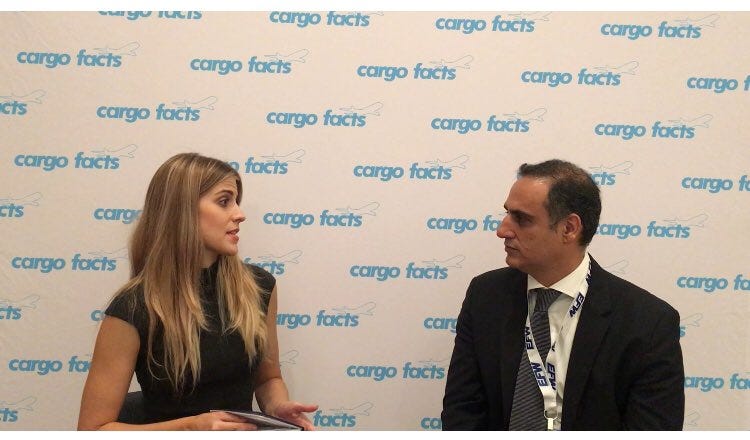
4. Set Up Meetings Before You Arrive, But Leave Space
Do not rely on accidentally running into the people you most want to meet. Once you know you are attending, start identifying who else will be there.
Look at speakers, sponsors, participating companies and attendee announcements. Ask people in your existing network whether they are going. If there is someone you have wanted to meet, the conference gives you a natural reason to reach out.
Make your message specific (and for the love of God don’t use AI for initial outreach, it needs to be personal)- Instead of “Would love to connect sometime,” explain that you will both be at the same conference and why you think it would be useful to meet. That might be discussing a possible partnership, learning more about their work, comparing what you are seeing in a particular market or simply meeting after interacting online for the past year.
Schedule the conversations that matter most. Then stop scheduling. One of the fastest ways to make a conference miserable is to fill every 30-minute window from breakfast until midnight. Conferences are inherently unpredictable. You need room for those things.
I like having a few anchor meetings each day while protecting enough open time to be flexible. That open space is not a failure to optimize your schedule. It is part of the strategy. Some of the highest-value conversations at conferences are the ones you could not have planned in advance.
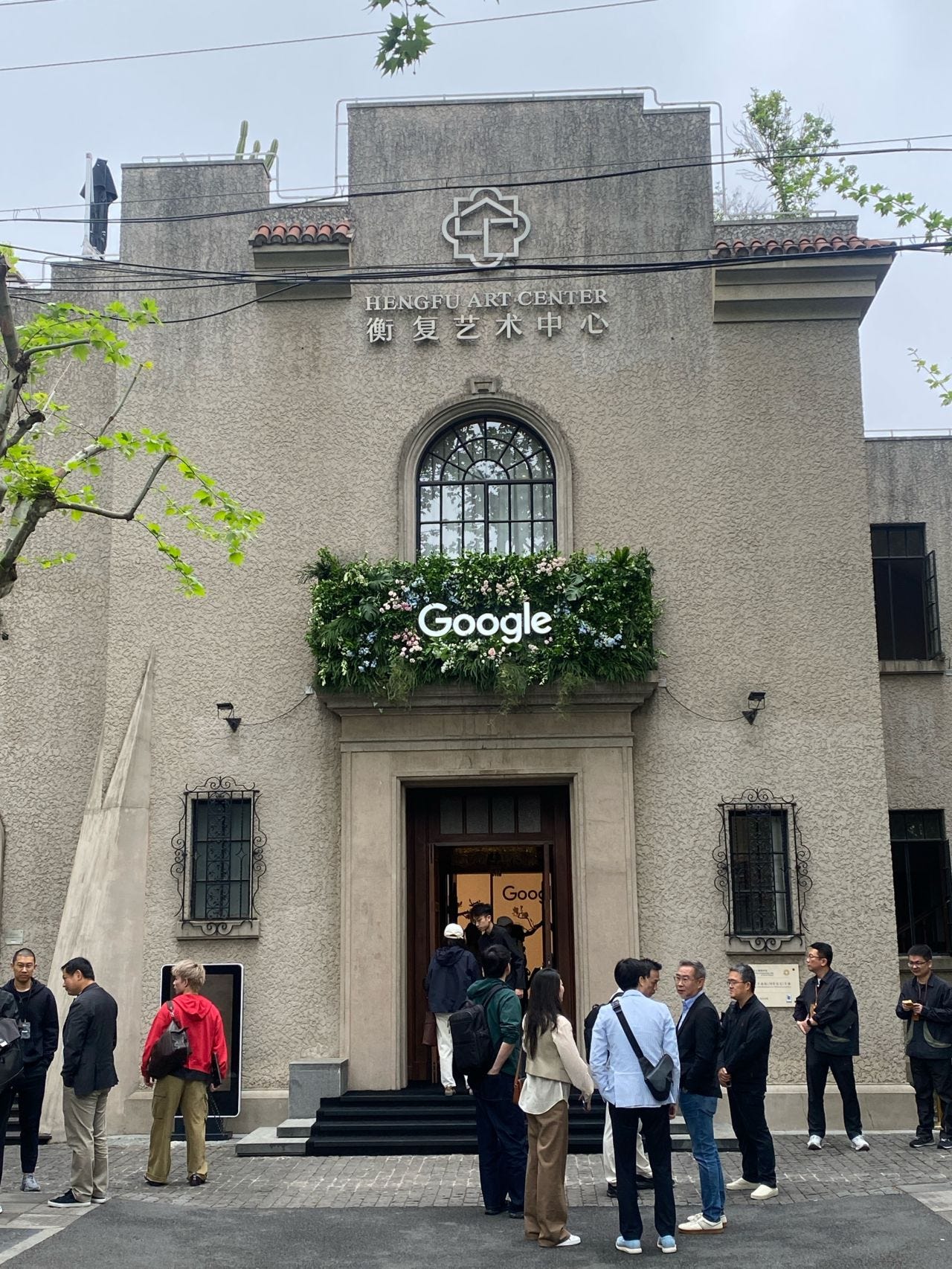
5. Decide What You Want the Event to Produce (Connections, Content, ???)
Before you attend, define what success actually means. “Meet people” is too vague. What are you trying to accomplish? Maybe you want to meet ten potential partners. Maybe you are exploring a new market and want to speak with five companies already operating there. Maybe you want to validate whether there is demand for a product idea. Maybe your goal is to strengthen relationships with people you already know rather than constantly collecting new contacts.
You can have several goals, but they should be concrete enough that they shape how you spend your time. I also think about conferences as an opportunity to create assets.
A single trip can potentially produce content, research, partnerships, market intelligence and ecosystem relationships long after the conference itself ends. Before the event, outline what you could create across three phases: before, during and after.
Beforehand, you might post about what you are researching, who you are hoping to meet or which themes you are following. During the conference, you might record short interviews, share observations, document interesting products, collect quotes or take notes on recurring themes. Afterward, that material can become articles, videos, podcast conversations, market maps, newsletters, social posts or follow-up discussions. This does not mean turning every interaction into content. It means recognizing that you are already putting yourself in an unusually concentrated environment for learning. If you prepare for that, the ideas and relationships generated during three days can fuel your work for the next three months.
The same applies to business development. If one of your goals is exploring partnerships, decide beforehand what you are trying to validate. Who would make a good partner? What would you want to build together? What would indicate genuine interest? You will have much better conversations when you know the questions you are trying to answer.
The Conference Is the Middle, Not the Beginning
The event itself should not be the starting point of your strategy.
By the time you arrive, you ideally already know what you want from the week, have several important meetings scheduled, understand the surrounding event ecosystem, have looked for opportunities to speak and can clearly explain what you are building and why it matters.
Then you leave enough room for everything you could not predict. That combination, preparation plus flexibility, is where much of the leverage comes from.
A good conference does not end when you fly home, either. The relationships need follow-up. The ideas need somewhere to go. The introductions can become partnerships. The conversations can become content, research or future collaborations. The real question is not whether a conference was “worth attending.”
It is what you built from being there, connections, content, leverage- ultimately impact.
Add to Your Queue!
AI & Technology
On My Radar
On My Radar Dispatch: August 10, 2026 - The US-China Tech Squeeze, Silicon Valley Lawsuits, Hyperscaler Agent Hacks, Rumors, Implementing AI in your Workflows and the Jobs Coming Next
Thanks for reading Potentia! Join 3.5k+ followers!
We genuinely appreciate every like save and follow : )
Your support means the world!
Connect with us on Youtube, Twitter/X , and Instagram, Apple, Spotify!