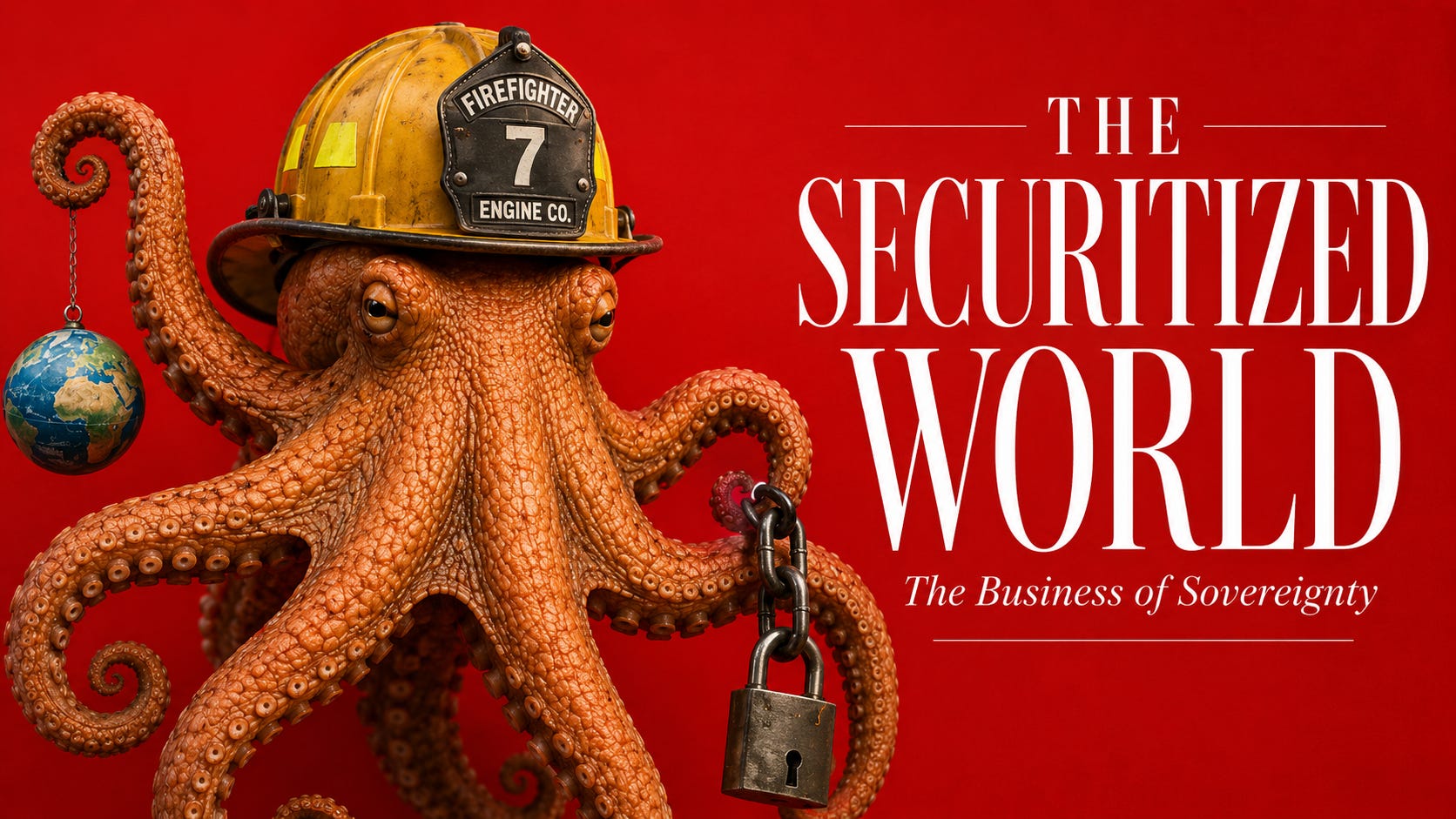
For the past 30 years, globalization made the modern economy feel almost frictionless: a chip could be designed in one country, manufactured in another, assembled in a third, financed through global capital markets, and sold everywhere. Multinational companies were built on that assumption, governments largely encouraged it, and consumers benefited from it. Yet the same system that made the world richer has now become one of its greatest sources of leverage, coercion, and strategic vulnerability.
What happens when the links that once created efficiency become the pressure points states can use against each other?
In this episode, Max Zenglein joins Potentia to unpack the rise of economic security, why governments and companies often mean very different things when they use the term, why Japan and China appear more advanced in aligning state and corporate priorities, why Europe and Southeast Asia are struggling to navigate Chinese pressure and U.S. unpredictability, and why companies are still too often treating rare earths, export controls, tariffs, EVs, data, and supply chains like isolated fire drills rather than signs of a new global order. The answer, it turns out, is not deglobalization, but something messier- globalization is still happening, but it is being rewritten through security, power, trust, and coercion.
Welcome to the era of securitized globalization. Buckle up~
Links
Carveouts
Max: Forthcoming paper on Securitized Globalization, or something like it
Chelsea: Dual-Use Technologies and Export Control in the Post-Cold War Era (1994)
Max: Firedrills are not strategy, Strait of Hormuz
Max: The EU’s Institutional Tensions
Listen here: RSS, Apple, Spotify and wherever you get your podcasts.